Sunday, July 30, 2017

Glycerin For Skin Care And Benefits


Glycerin Skin Whitening


How To Use Glycerin For Skin Whitening
Every few minutes that you greet the sun every day, add on to that unattractive tan build up. This can be countered if you use glycerin skin whitening formulas to remove impurities and lighten down the skin color
200 ml Of Glycerin
2 Tablespoons Of Fresh Lime Juice
1-2 Cups Of Distilled Or Rose Water
You can make a lime juice-glycerin moisturizer by mixing 200 ml of glycerin, two tablespoons of fresh lime juice and one to two cups of distilled or rose water. Lime is age-old in terms of skin whitening and the combination of glycerin makes it ideal for all sorts of harsh weather conditions. Apply this concoction at night to get rewarded with magical skin the next morning.
Alternatively, you can make a de-tanning cream by using 1 teaspoon of sodium tetra borate, 2 teaspoons of glycerin and an almost-filled cup of rose water. This is a gentle product that can be optimized for regular use
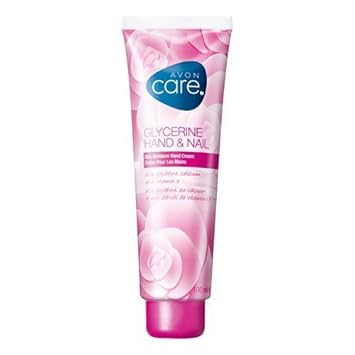
.Avon Care Limited Edition Glycerine Hand & Nail Cream Pink Floral Tube
Avon Care Hand Cream - Glycerine Hand & Nail - Twin Pack (x 2 the same)
GlycerinTo Reverse All Signs Of Ageing
Once your skin starts to crack as a result of stress and bad food habits, unattractive wrinkles and lines are formed. It’s also natural for the skin to dull-out with time and age. You might thrash out desperately for the best reverse-ageing creams, but always question the authenticity of such chemical-cures in the long run.
2 Vitamin E Capsules
1 Teaspoon Of Vegetable-Based Glycerin
Mix 2 Vitamin E capsules and 1 teaspoon of vegetable-based glycerin and apply it as an overnight mask. It’s incredibly nourishing and shows results within no time. You will always feel cheery and bright when you step out of your home and love the confidence that follows
Can Glycerin Whiten Skin,


all this products you can find in

Sunday, July 16, 2017

8 Cocoa Butter Benefits and Uses

Whether you realize it or not, you’ve probably eaten cocoa butter many times in your life — plus smeared it onto your skin. Cocoa butter (sometimes called theobroma oil) is a natural, meltable oil extracted the cocoa bean. It’s the fat source used to make chocolate, even healthy chocolate, responsible for giving it its alluring, melt-in-your-mouth, silky feel.
Plus, just like other skin-loving sources of healthy fatty acids — such as raw shea butter or coconut oil — cocoa butter is great for naturally healing dry, sensitive skin. Real cocoa butter is completely edible (and has a faint taste and smell similar to dark chocolate), plus it’s also used very often in skin lotions, lip glosses, chapsticks and other beauty ointments.
What Is Cocoa Butter?
Cocoa beans are native to parts of Central and South America and have been harvested to make natural skin moisturizers in places like Mesoamerica and the Caribbean for centuries. Because it has a mild fragrance, a smooth texture (due to its “emollient” properties) and is ultra-hydrating, cocoa butter is a very popular ingredient today around the world in all sorts of commercial beauty products.
Another amazing attribute of cocoa butter? Cocoa beans are a high-antioxidant food, since they contains a significant amount of polyphenol and flavanoid antioxidants. In fact, cocoa beans themselves have been shown to be one of the greatest suppliers of polyphenols in our diets. Some of these antioxidants remain in cocoa butter even after it’s separated from the beans’ solids, which means it’s beneficial for improving immunity, lowering inflammation and improving heart health — all despite the fact it is a once-feared saturated fat. (1)
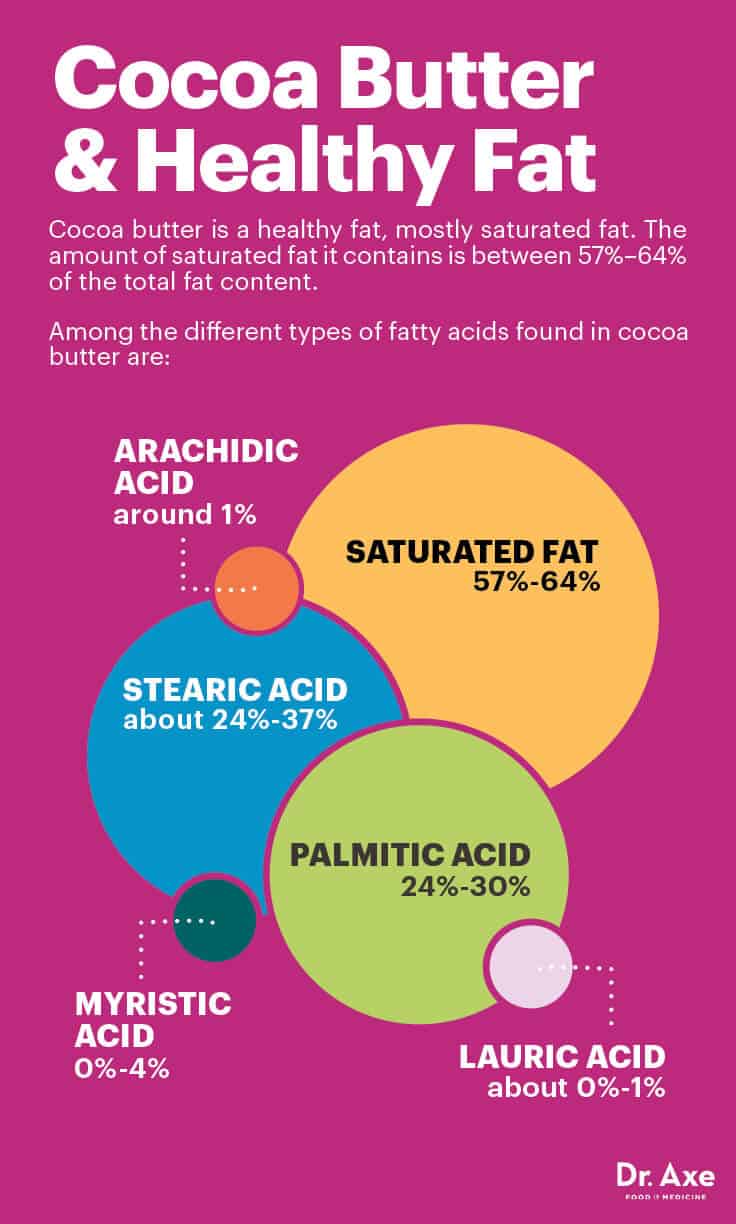
Cocoa butter is a healthy fat, mostly saturated just like coconut oil. The amount of saturated fat it contains (as opposed to unsaturated fat) is between 57 percent to 64 percent of the total fat content, depending on the exact kind. Among the different types of fatty acids are:
stearic acid (about 24 percent to 37 percent of total fat content)palmitic acid (24 percent to 30 percent)myristic acid (0 percent to 4 percent)arachidic acid (around 1 percent)lauric acid (only about 0 percent to 1 percent)
How about raw cocoa butter — what makes this different, and is it any better than cocoa butter that’s been heated? Raw cocoa butter, sometimes labeled as “pure cocoa butter,” isn’t heated to very high temperatures during manufacturing processes, which means it usually retains more of the healthy fats and other compounds found naturally in cocoa beans.


8 Cocoa Butter Benefits and Uses (Beyond Just for Your Skin!)
 1. Prevents Skin Dryness and Peeling
Cocoa butter makes an excellent skin moisturizer, plus it does more than just hydrate the skin — it helps actually heal it from the inside out too. It’s a great source of natural antioxidants that are found in cocoa beans (the same kinds found in real, dark chocolate that are tied to benefits like heart health and improved cognitive functioning). Saturated fats are especially beneficial for healing dry, cracked skin because they’re easily absorbed and remain on the skin for hours.
Natural hydrating products also tend to cause much less irritation for people with sensitive skin while still locking in moisture, since they’re free from additives, fragrances, colors and dyes used in most commercial products. To use it on your skin to treat or prevent dryness and peeling, try mixing it with other beneficial products like essential oils or argan, castor or jojoba oil.
If you prefer the more liquidy texture of coconut oil and its tropical smell, you can also blend pure cocoa butter and coconut oil together. If you have extra sensitive, dry skin (such as eczema), always use pure cocoa butter and perform a patch test first to make sure you don’t have a sensitivity and wind up developing any negative reactions.
If your cocoa butter is very solid due to being stored in your home in a cool place, try combining it with a bit of hot water to make it melt. You can boil some water on the stove and then pour it onto a handful of cocoa butter to make it more spreadable. Some people find that black cocoa butter is the softest and spreads onto skin best without needing to be warmed much, but that commercial, deodorized cocoa butters are more brittle and hard.
2. Heals Chapped Lips
One of the most popular ways to use cocoa butter is on the lips, especially in homemade lip balms. It can be used with essential oils like grapefruit, vanilla, orange or peppermint oil to make flavorful lip palms that are also hydrating for delicate skin.
Cocoa butter is an emollient, which means it adds a protective layer of hydration to your lips, useful for blocking the effects of very cold temperatures, sun damage or indoor heat, which can leave your lips dry. (2)
3. Fights Signs of Aging
Cocoa butter contains compounds called cocoa mass polyphenols, which some studies have found can help diminish signs of aging, plus soothe sensitive skin suffering from dermatitis or rashes. Polyphenols are types of antioxidants that promote health both internally when eaten and when used topically on the skin. Cocoa’s polyphenols have been found to fight various chronic diseases, degeneration of the skin, sensitivities and even cell mutations. (3)
Research shows that its polyphenols have several positive indicators for skin health, including improved skin elasticity and skin tone, better collagen retention/production, and better hydration. When comparing cocoa butter to commercially available products, both showed positive results, but only cocoa butter is free from potentially harmful or irritating ingredients.
4. Soothes Burns, Rashes and Infections
Rub a small amount of pure cocoa butter into burnt skin to help skin replenish. Just make sure it’s pure and doesn’t contain any alcohol, fragrances/perfumes or other additives that can lead skin to become even more inflamed and sensitive.
It’s is even gentle enough to be used as a natural treatment for eczema or dermatitis. It’s also a rash natural remedyAloe vera gel or tea tree essential oil are two great additions for applying to burnt or sensitive skin.
5. Helps Treat Mouth Sores
If the inside of your mouth is prone to developing painful sores or your lips develop recurring blisters, use a bit of cocoa butter to keep them moisturized. (4)
6. Makes a Great Shaving Cream
You can use cocoa butter in your tub to shave and hydrate skin at the same time. It melts easily in warm water and won’t clog your drain. Use a small handful before shaving to prevent nicks and to leave just-shaven skin feeling nice and smooth. After showering is another great time to slather it on, since heat opens up pores and makes it absorb products better.
7. Helps Improve Heart Health
While saturated fats used to be frowned upon and blamed for contributing to heart problems, today researchers know that plant-derived saturated fats are actually beneficial for reducing the risk of cardiovascular diseases. The polyphenolic components found in cocoa butter have been shown to help lower inflammatory markers involved in atherosclerosis (hardening of the arteries), which is why cocoa is now considered an anti-inflammatory food. (5) Cocoa also seems to help with lipid (fat) metabolism and is linked with a decreased risk for vascular events, such as a heart attack.
It’s important to note, however, that while cocoa butter does contain some polyphenols and other antioxidants, it doesn’t supply as much as dried cocoa powder does. Cocoa butter and cocoa powder are manufactured during secondary processing, leaving behind cocoa powder, which has been shown to have higher polyphenol content than cocoa butter or fat solids. To get the most bang for your buck from cocoa products, go for the dark stuff and make sure it’s a high percentage (research shows you can obtain the highest phenolic content from cocoa by eating dark chocolate/dark “baking chocolate”). (6)
8. Raises Immunity 
Many studies have shown that plant polyphenols exert antioxidant powers within the immune system, fighting inflammation, DNA damage and cellular mutations, which are the underling cause of diseases like cardiovascular disease, cancer and autoimmune conditions that can lead to fatigue. (7) Using cocoa butter over refined vegetable oils can reduce inflammation in general and help with hormonal balance and brain health — all while working as an immune system booster.
What About Cocoa Butter for Stretch Marks?
Around the Web, one of the most popular uses for cocoa butter is preventing or treating stretch marks, especially during pregnancy. Does this method actually work? Overall, study results have been mixed regarding its efficacy for stretch marks.
Many people report improvements in visible stretch marks after using it, but certain studies have found that compared to placebo treatments, women don’t actually show significantly more improvements when using lotion made with cocoa butter. (8) There’s no harm in trying it for preventing stretch marks, especially if you have dry skin normally, but it doesn’t seem to reverse stretch marks that have already formed.
Cocoa Butter vs. Shea Butter
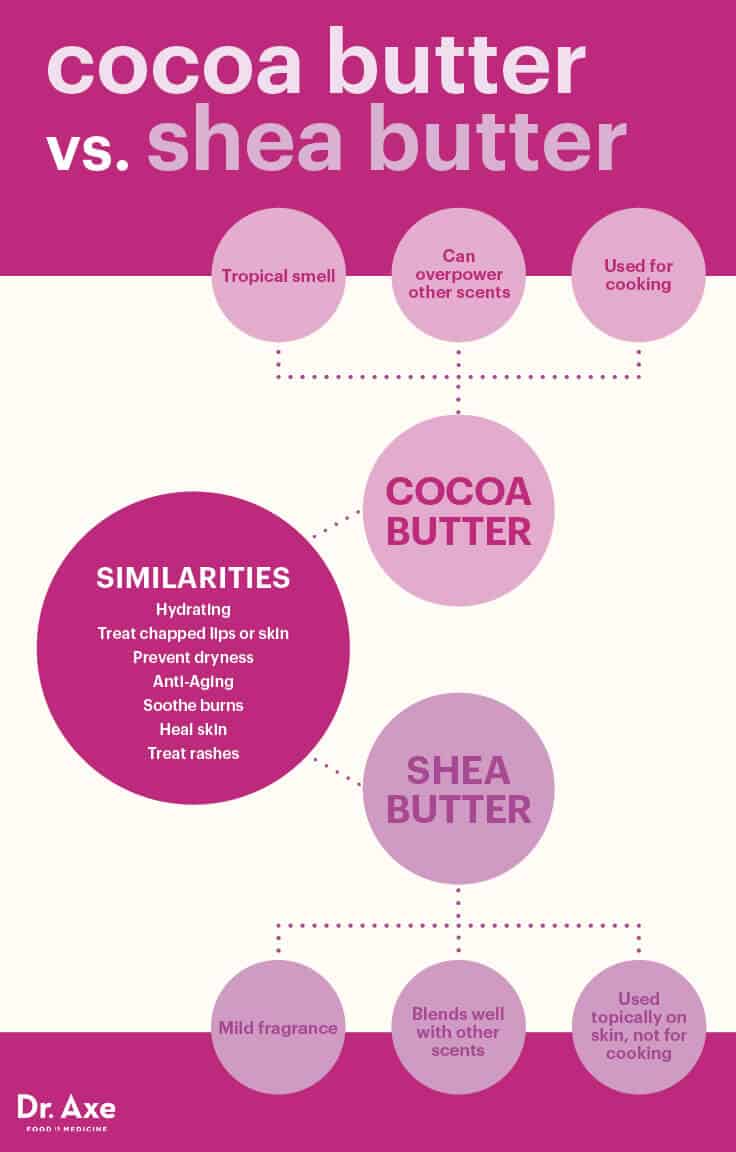
Since they have similar uses and benefits for the skin, it might really come down to preference when it comes to using shea butter versus cocoa butter on your skin. Both are hydrating, time-old ways to treat chapped lips or skin and prevent future dryness. You can use both on sensitive skin, such at those who have eczema or psoriasis.
Two of the differences are their smell and how they can be used. Many people prefer cocoa butter’s tropical smell over shea butter’s very mild fragrance. On the other hand, shea butter has a neutral smell that means it blends well with other essential oil scents. Cocoa butter is also used to cook with, while shea butter is used only topically on the skin.


Cocoa Butter vs. Coconut Oil
Cocoa butter and coconut oil have similar hydrating properties, and the benefits of coconut oil for skin mimic those of cocoa butter — but coconut oil has some added benefits, including antibacterial properties. This might make coconut oil more practical for you to keep at home, since pure coconut oil has literally dozens of different uses in the kitchen and bathroom.
Coconut oil contains fatty acids that keep skin healthy and clean, including capric acid, lauric acid and caprilic acid. It melts when rubbed into the skin or heated, and it has a smooth feel and pleasant smell/taste. Feel free to use both together or for different purposes, such as cocoa butter on your lips but coconut oil on your hair.
How Cocoa Butter Is Made
Cocoa beans are seeds from Theobroma cacao L. plant, a member of the Sterculiaceae plant family. These beans are used to make “one of the most important and widespread functional foods in human history”: chocolate. Cocoa beans have been grown for more than 3,000 years and were prized among ancient populations, including the Mayan and Aztec civilizations. (9)
To make cocoa butter, cocoa beans are first fermented then roasted. At this point, the cocoa “butter” (which isn’t actually the kind of butter made from any type of milk at all) is able to be separated from the rest of the beans, leaving behind solids that are used for other purposes like making cocoa powder. To make chocolate, cocoa butter is then further pressed to release “chocolate liquor,” which holds most of the chocolate taste and smell. Many brands deodorize and de-colorize cocoa butter so the product is a yellow-beige color and smells pretty neutral, not much like cocoa liquor or chocolate.
Around the world, cocoa butter has two main uses: It’s an active ingredient in many skin care products, plus it’s also used to make chocolate (all types, including dark, milk or white). The chocolate industry is responsible for most of the world’s cocoa butter consumption, which isn’t surprising considering how popular chocolate is! Another less common use is as a food or supplement additive, since it helps stabilize products’ textures.
Because it remains solid at room temperature but melts at higher temps, such as those within the human body, the pharmaceutical industry uses it as a digestible base for certain medicines. Cocoa butter has a melting point of around 93–101 degrees F, which means it becomes liquid once ingested or sometimes when rubbed into the skin — exactly why it has such an attractive “mouth feel” when added to chocolate or when used in lotions.
One of the biggest advantages of cocoa butter is that it’s a very “stable” fat, meaning it isn’t likely to spoil and become rancid when heated. Unlike more delicate fat sources, such as those rich in polyunsaturated fat (like vegetable oils) or monounsaturated fat (like olive oil), saturated fats retain their nutrients and chemical composition easily even when manufactured and used in cooking.
This helps preserve many of the benefits of cocoa butter, such as its antioxidants. It doesn’t pay to use oils, whether when cooking or applying them directly to your skin, that have become rancid since this ruins many of their properties and actually leaves them capable of increasing inflammation.
The Best Kind of Cocoa Butter to Buy, Plus How to Cook with It
Pure cocoa butter gives you the most benefits, but it’s harder to find and more expensive than blended products that mix cocoa butter with other fillers or oils. Today, it has become pretty expensive, leaving many food manufacturers to substitute less expensive oils, such like refined vegetable oils (soybean, rapeseed or palm oil) or sometimes coconut oil and shea butter. How can you tell the difference? Read ingredient labels and look at the color: Pure cocoa butter usually has a lighter color than commercial cocoa butters, which tend to be a deeper yellow.
Because it’s so stable, it’s believed to last for more than two years. Many people keep the same jar of cocoa butter for two to five years, since its saturated fat is resilient against rancidity and spoilage. When purchasing cocoa butter, try to avoid kinds that are sold as white, silky lotions and come in pump bottles or squeezeble bottles. Products like this might contain some cocoa butter, but they’re far from pure and likely contain many other additives, which is exactly how they stay one uniform texture and color (which real cocoa butter doesn’t do).
You can make your own easy-t0-use cocoa butter sticks at home, which ensures that you get the most benefits and put the least amount of junk on your skin. Buy a slab of real cocoa butter online or from a natural retailer, then break off or shave off a little piece and put it inside an old chapstick container. You can rub this directly into your skin and easily keep it in your bag or elsewhere. Or you can simply mash up the solid cocoa butter and add several drops of essential oils to make a silky homemade body butter lotion.
When it comes to cooking with cocoa butter, why not try making your own homemade chocolate by combining it with coconut palm sugar, maple syrup or raw honey and cocoa powder. You can also melt it into a raw chocolate syrup or make a chocolate mouse or pudding. Desserts might be its most popular use, but raw cocoa butter also makes a great butter or dairy substitute and can be used in various ways just like coconut oil.
Cocoa Butter Takeaways
Cocoa butter is the fat source used to make chocolate.Cocoa butter is great for naturally healing dry, sensitive skin.Real cocoa butter is completely edible, plus it’s also used very often in skin lotions, lip glosses, chapsticks and other beauty ointments.Cocoa butter is a healthy fat, mostly saturated just like coconut oil.Cocoa butter benefits include: preventing skin dryness and peeling; healing chapped lips; fighting signs of aging; soothing burns, rashes and infections; treating mouth sores; working as a shaving cream; improving heart health; and raising immunity.Cocoa butter and shea butter are similar in uses and benefits, however they’re fragrances are different and cocoa butter can be used in cooking, while shea butter is not.Cocoa butter has two main uses: It’s an active ingredient in many skin care products, plus it’s also used to make chocolate
 U can finde all our products  with coco butter
In 

Tuesday, July 11, 2017

Benefits and How to Use – Top 8 Hair Oils for longer, stronger and healthy hair

Want healthy hair then hair oil is all that you need. Oiling hair helps to condition, add shine, moisturizes, repairs damaged hair and also promotes hair growth. Here are 5 best hair oils that can be used for healthy hair. 


All our products are available on souq Egypt and on our Facebook page

Friday, July 7, 2017

Avon Sunblock Lotion Review: How Safe And Effective Is This Product


About Avon Sunblock Lotion SPF 40 PA+++
You can still enjoy warm summer days outdoors without worrying about damaging your skin, as long as you wear a sunblock with a high SPF rating. Avon Sunblock Lotion with PA+++ is one of the few sunscreens that has this high rating. The PA listed on the product refers to its ability to block harmful UV rays, and the “+” symbol is used to denote its strength. Sunblock lotions can have PA ratings of with one, two, or three plus signs, and the higher the number the greater its ability to protect your sensitive skin.
What Avon Claims About The Lotion
This sunblock lotion has been tested by dermatologists, and is rated safe for sensitive skin. It is a light formula that never feels heavy or greasy, and is water resistant. You can safely enjoy a day at the beach or swimming pool and without risk of burning, and enjoy complete protection from the harmful UVA rays.
Avon Sunblock Lotion will still retain its high SPF protection rating even after 80 minutes of swimming or heavy perspiration.The lotion includes moisturizing Aloe Vera to help improve the condition and appearance of your skin.It is rated safe to use on sensitize skin, and has been tested by dermatologists.The PA+++ rating ensures that you have maximum protection from skin damaging UVA and UVB rays.While the lotion is lightweight and non-greasy, it is also resistant to sweat and water.It is non-comedogenic, and can help to improve dry, flaky skin.
How To Use?
This lightweight and long lasting sunblock lotion is easy to apply, and safe for all skin types. Simply squeeze some of the product into the palm of your hand, and liberally rub it in anyplace that will be exposed to the sun. Since this formula can last up to 80 minutes in water, you don’t need to reapply it as often as other leading brands.
About The Ingredients
Along with containing nourishing Aloe Vera, the lotion also includes other ingredients that are safe for all skin types. While water is listed as the first ingredient Avon Sunblock Lotion also contains properties that are effective at blocking out harmful UVA and UVB rays. Some of these ingredients include Acrylates and Carbomer that will let you safely enjoy being outdoors even on bright, sunny days.
Price
Like all Avon skincare products this fantastic sunblock is priced well below most of the other leading brands. When you factor in its high SPF rating and longevity, the sunblock is a great value for your money. This product also has a shelf life of three years, which means you can use it again next summer.
Our Experience With Avon Sunblock Lotion PA+++
The lotion is packaged in a compact blue bottle, and features an easy to open flip top. It is easy to pack in a tote bag with the rest of your gear, and it also fits inside most medicine cabinets. The sunblock has a lightweight texture that rubs easily into your skin without running, and the lotion’s mild fragrance is not to overpowering. You will love how the scent disappears after a few minutes, and since it is rated for safe for sensitive skin it won’t cause any irritation. It should be noted that the Avon Sunblock Lotion may not be ideal for oily facial complexions, especially if you are already wearing makeup. The lightweight formula is normally lightweight and non-greasy, but it can occasionally cause clogged pores and breakouts on your face when it is applied over any existing makeup.
Pros Of Avon Sunblock Lotion
The cream has a SPF rating of 40 PA+++, which is more than enough to protect your from sun damage.It has a light fragrance that quickly disappears after a few minutes of applying the lotion.Avon Sunblock lotion has been tested by dermatologists.Its small size makes it perfect for traveling.You only need to use a small amount to protect your skin from UV rays, giving this product excellent value for your money.
Cons Of Avon Sunblock Lotion
It will wash off after swimming or profuse sweating for more than 80 minutes.The sunblock does need to be reapplied, and is only rated for water resistance.People with oily faces or who wear foundation underneath their sunblock may not like this particular product.While it is inexpensively priced, there are cheaper products available for purchase.
Will We Purchase This Sunblock Again?
While this is an excellent product, there are also other brands we would like to try. It is ideal for spending days at the beach, but does not wear well with makeup.
Will We Recommend Avon Sunblock Lotion?
We would not recommend this product for everyone but if you do not wear makeup with your sunblock or have dry skin, this might be a good sunblock for you
  

You can buy this product on our site in Egypt

Natural Hair Rinses Are Easy To Make And Great For Your Hair


Natural Hair Rinses Are Easy To Make And Great For Your Hair


Questing for the holy grail of natural hair care? Rosemary is one of those “magic bullets” that will help make your hair grow faster, prevent flakes and really make your hair shine. One of the easiest ways to capture these benefits is to make an herbal hair tea or herbal hair rinse. There are just two or three simple ingredients to this rosemary hair rinse (depending on what benefits you are wanting).  But before we go grabbing all the ingredients to get started, it’s important to understand why rosemary is good for your hair.
Rosemary Is Good For Your Hair
Rosemary is easy to grow, it is easy to find (bet you have some in your pantry) and rosemary is good for your hair. Rosemary contains certain organic compounds that help to stimulate your scalp circulation, that in-turn promotes new and faster hair growth. (And who doesn’t want that?) What really also makes rosemary good for your hair is that it works to condition your hair, making it really shiny and helps with scalp health by relieving itch,y dry scalp and dandruff. It’s not just good on chicken, chica, rosemary is simply good for your hair.
Rosemary plants have many phytochemicals which constitute potential sources of natural compounds as phenolic diterpenes, flavonoids phenolic acids and essential oils. About 90% of the antioxidant activity is attributed mainly to a high content of non-volatile components as carnosic acid and carnosol (phenolic diterpenes) and rosmarinic acid.So, what does all that science mean to you? It means that the phytochemicals in rosemary the stimulate which helps promote new hair growth, are anti-bacterial and anti-fungal, and help hair shine. Did I mention? Rosemary is good for your hair.
How To Make Rosemary Herbal Hair Rinse
Making this natural hair rinse couldn’t be easier. I used a French Press (easier to strain that way) but you could brew this up in a pot on your stove or in a tea pot and just strain after the rinse has cooled and the brewing is complete.
This recipe makes 4 cups of rosemary infused hair tea (enough for approximately 2 applications).
Rosemary Hair Rinse Supplies
French Press or tea pot, or a pot that can hold 4 cups of water4 cups of waterFresh Rosemary (about 10-15 sprigs) OR 4 TBS dried rosemary OR 10-15 drops of rosemary essential oil (you can get organic from Mountain Rose Herbs – LOVE their stuff!)OPTIONAL: 3 TBS Apple Cider Vinegar (for deep conditioning if your hair is really dry) or 3 TBS Distilled White Vinegar (for normal conditioning)Strainer (if brewing in a tea pot or on the stove top)Container for storage that can hold 4 cups
Rosemary Hair Rinse Instructions
Bring 4 cups of water to a boil and place in vessel of choice (french press, tea pot).Add rosemary (fresh, dried or rosemary essential oil)Allow to infuse (steep) for at least 30 minutes. I prefer to allow the rosemary to infuse until the water has cooled to room temperature. You could even allow this to steep overnight if desired.Strain and pour into vessel of choice (plastic is always safest for use in the bathroom).Optional: Add the vinegar and stir to combine
That’s it. Now you have a conditioning, scalp stimulating, growth promoting, hair shining herbal hair rinse. Now, What to do with it?
How To Use Your Rosemary Natural Hair Rinse
Grab your vessel, (It’s plastic right? Don’t want anyone to get cut on broken glass in the shower) head to the shower and wash your hair the way your normally would. After you rinse out your shampoo, pour about 1/2 of the rosemary hair rinse over your entire head (don’t get it in your eyes) and allow it to saturate your hair. Allow it to sit on your hair and scalp for 3 or 4 minutes (go ahead and shave your legs while you are waiting or pamper yourself with a foot scrub). Then you have two options: 1. Rinse your hair with the coolest water you can stand (this further closes the cuticle on the hair shaft and also helps to increase serious SHINE), or 2. Do not rinse and just leave the shower. If you used vinegar the “sour” smell will go away when your hair dries – but your hair will still smell like rosemary. For simplicity, I’ve summarized the steps below:
Hair Rinse Usage Directions
Wash your hair as you normally would.Rinse the shampoo, No Poo or Low Poo (depending on what you use) from your hair.Pour approx. 1/2 the herbal tea rinse over your head (don’t get it in your eyes!)Allow to sit on hair for 3-5 minutesEITHER: Rinse out with cool (as cool as you can stand) water or leave in.
Frequently Asked Questions
Q: Can I still use this hair rinse if I No Poo or Low Poo?
A: Yes! Just substitute this rinse for your normal vinegar or citric acid hair rinse.
Q: What will my hair smell like?
A: If you leave the rinse in, it will smell like rosemary when it dries. If you don’t want your hair to smell like rosemary, rinse out of hair with cool water.
Q: Is this natural hair rinse safe for kids?
A: Yes! This is absolutely safe for children. Just like always, don’t get it in their eyes and don’t let them drink it (it shouldn’t hurt them, but better safe than sorry)
Q: Will this help dandruff or my itchy, dry scalp?
A: YES! Rosemary is known to help relieve dandruff and itchy, dry scalp. You can also try this Aloe Honey hair treatment.
Q: How often can this herbal hair tea be used?
A: You can use this every time you wash your hair if desired.
Q: How do I store what is left after my first use?
A: Keep the left over hair rinse in the fridge. Warm slightly or allow to come to room temp before next use.
Q: Why do you recommend I rinse with cool water?
A: Cool water helps to close the cuticle on the hair shaft and increases how super shiny your hair is.
Q: Is this hair rinse safe for color treated hair?
A: Yes! This will not effect your color treated hair.
Q: I swim or exercise often, can I still use this natural hair rinse?
A: Yes! If you swim frequently, always be sure to wet your hair first before getting in the pool to minimize chlorine absorption into your hair. If you exercise frequently, this is a great addition to your post work-out routine.
Quoted
Heba Ali Mahmoud

Wednesday, July 5, 2017

Review benefits of Naturals Almond Oil & Avocado Shampoo by Avon

oClaims:
Formulated with almond oil and avocado extracts, this moisturizing conditioner helps restore softness, silkiness and shine to dry, damaged hair. Conditions hair from root to tip, helps eliminate fly-aways and leaves your hair looking naturally healthy and manageable from the first wash.
Ingredients:
WATER/EAU, CETEARYL ALCOHOL, CYCLOPENTASILOXANE, PROPYLENE GLYCOL, PERSEA GRATISSIMA (AVOCADO) OIL, PRUNUS AMYGDALUS DULCIS (SWEET ALMOND) OIL, DIMETHICONE, GUAR HYDROXYPROPYLTRIMONIUM CHLORIDE, PARFUM/FRAGRANCE, CETRIMONIUM CHLORIDE, ISOPROPYL ALCOHOL, PEG-90M, CITRIC ACID, PHENOXYETHANOL, METHYLPARABEN, PROPYLPARABEN, RED 4/CI 14700, YELLOW 10/CI 47005, BLUE 1/CI 42090.
For purchase from Egypt